
The Varieties of Apples We Grow and Sell
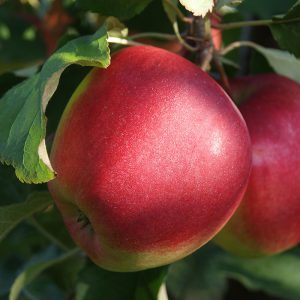
LIGOL
Ligol apples are sweet and aromatic, with a mild tartness and juicy texture. Developed by Polish breeders in 1972 by crossing Golden Delicious and Linda, they feature glossy, greenish-yellow skin with red and orange streaks. Their creamy, juicy, and crisp flesh offers a great balance of sweetness and tartness. Ligol apples are ideal for fresh consumption, salads, and desserts due to their long-lasting freshness and balanced flavor. They are also perfect for baking, apple pies, juice, and cider, as they retain their texture and flavor well. Resistant to frost and diseases, Ligol trees thrive in temperate climates, blooming in mid-season and bearing fruit in October. The apples can be stored for several months in a cool, dry place, making them a great option for long-term storage.
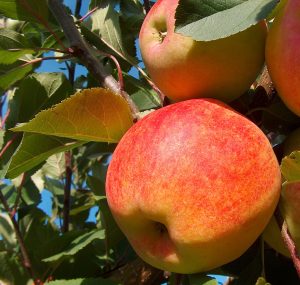
SHAMPION
Shampion apples are sweet, aromatic, and mildly tart. Developed by Czechoslovak breeders in 1970 by crossing Golden Delicious and Cox’s Orange Pippin, they feature yellow-green skin with red and orange streaks, often in a marbled pattern. Their creamy white, juicy, and crisp flesh offers a delightful balance of sweetness and tartness. Shampion apples are excellent fresh, in salads, and desserts due to their refreshing texture and flavor. They are also ideal for baking, apple pies, juice, and cider, as they maintain their shape and flavor. Resistant to frost and diseases, Shampion trees thrive in temperate climates, bloom mid-season, and are harvested in late September or early October. They can be stored for several months in a cool, dry place, making them a versatile choice for both fresh consumption and culinary uses.

AUKSIS
Auksis apples are sweet, juicy, and slightly tart. Developed by Lithuanian breeders in the mid-20th century by crossing McIntosh and Gravenstein, they feature yellow skin with red-orange streaks and blushes. Their creamy, very juicy, and crisp flesh offers a great balance of sweetness and tartness. Auksis apples are ideal for fresh eating, salads, and desserts, thanks to their crunchy texture and aroma. They also excel in baking, apple pies, sauces, and juices as they retain their shape and flavor. Resistant to winter frosts and diseases, Auksis trees thrive in temperate climates, blooming in mid-season and yielding fruit from early September to mid-October. They store well for several months in suitable conditions, making them an excellent choice for long-term storage and versatile culinary use.
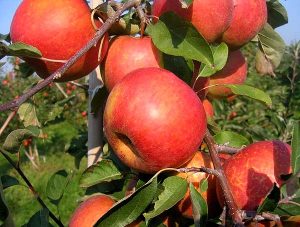
RUBIN
Rubin apples are sweet, aromatic, and rich in flavor. Developed by Czechoslovak breeders in 1960 by crossing Lord Lambourne and Golden Delicious, they have yellow-green skin with bright red streaks and spots. Their creamy white flesh is juicy and crisp, with a balanced sweet and tart taste. Rubin apples are excellent fresh and ideal for salads and desserts due to their firm texture and intense flavor. They are also well-suited for baking, apple sauce, and cider. Rubin apple trees are moderately frost- and disease-resistant, thriving in temperate climates, blooming mid-season, and bearing fruit in late September to early October. They store well for several months in a cool, dry place, making them a versatile choice for various culinary uses.
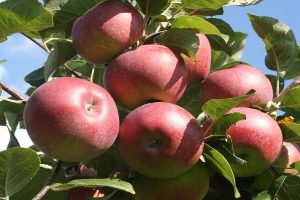
LOBO
Lobo apples are sweet and slightly tart with a subtle aroma. Developed by Canadian breeders in 1930 by crossing McIntosh with local varieties, they have light red skin with dark red streaks and pale green undertones near the stem. Their white, juicy, and crisp flesh offers a delightful fresh flavor. Lobo apples are excellent for fresh eating, salads, and fruit mixes due to their resistance to browning. They are also ideal for baking, desserts, apple sauce, and cider, as their flavor complements baked goods well. Lobo trees thrive in cold climates, are resistant to frost and diseases, bloom in early spring, and are harvested from mid-September to early October. They store well for several months but are best enjoyed fresh due to their juiciness. Lobo apples are a great choice for those seeking sweet and versatile apples for both fresh consumption and culinary uses.
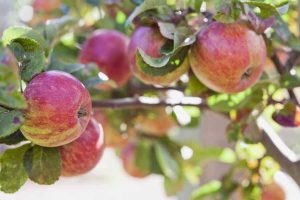
CORTLAND
Cortland apples are sweet and mildly tart with a subtle aroma. Developed in 1898 by crossing McIntosh and Ben Davis, they have smooth red skin with pink stripes and light speckles. Their white, juicy, and crisp flesh stays fresh and appealing even after slicing. Ideal for fresh eating, salads, and fruit mixes, they also hold up well in baking, pies, and desserts. These apples thrive in temperate climates, are resistant to winter frosts, bloom mid-season, and are harvested from late September to early October. Cortland apples store well for several months, making them a versatile choice for both fresh consumption and culinary uses.
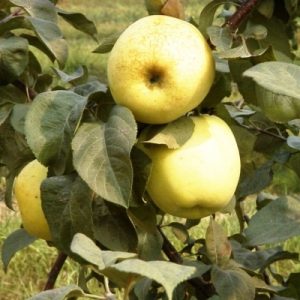
ANTONOVKA (Antaniniai)
Antonovka apples are known for their tartness and distinctive aroma. Developed in Russia, this old and reliable variety is often used for breeding. They have green or yellow-green skin that turns light yellow as they ripen. Their creamy white, juicy, and crisp flesh offers a strong acidic taste that sweetens with time. Antonovka apples are ideal for canning, juice, vinegar, and baking, as they retain their shape and aroma. They thrive in cold climates due to their high frost and disease resistance. Blooming in late spring and harvested from late September to early October, they store well for several months, with flavor improving over time. Antonovka apples are a great choice for those seeking tart, durable, and versatile apples for various culinary uses.
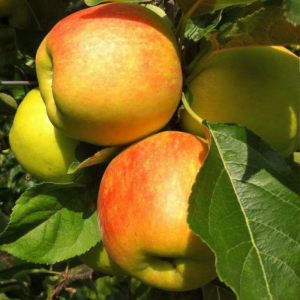
DELCORF
Delcorf apples are sweet and aromatic with a subtle tartness. Developed by French breeders in the 1950s by crossing Golden Delicious and Stark Jonagrimes, they feature yellow skin with red or orange stripes and a marbled pattern. Their creamy white flesh is juicy and crisp. Delcorf apples are excellent fresh, in salads, and desserts, and are also ideal for jams and compotes due to their intense flavor. They are moderately disease-resistant and thrive in temperate climates, blooming early and being harvested from late August to mid-September. Best enjoyed fresh, Delcorf apples are perfect for those seeking fragrant and versatile apples for various culinary uses but are not suited for long-term storage.
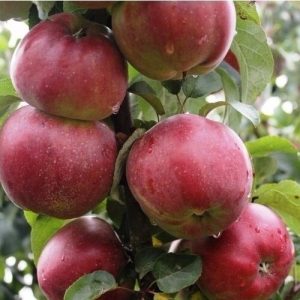
ALVA
Alva apples are crisp, slightly tart, and delicious. Developed by Swedish breeders in the mid-20th century by crossing Cox’s Orange Pippin and Transparente Blanche, they have green skin that turns yellow with a reddish tint when ripe. Their juicy, tender, creamy white flesh remains crisp and flavorful, making them excellent fresh, in salads, desserts, and for baking. The tartness offers a refreshing taste, ideal for apple juice. Alva trees are hardy, thriving in cold Northern European climates, blooming early, and harvested in late August to early September. They store well for several weeks under proper conditions, making them a great choice for those seeking crisp and slightly tart apples.
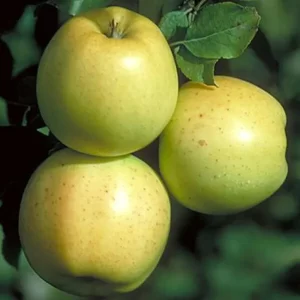
HONEY GOLD
Honeygold apples are very sweet and crisp. Developed by the University of Minnesota in 1960 by crossing Golden Delicious and Haralson, they have golden yellow skin with a rosy tint and creamy white, juicy flesh. Excellent for fresh eating, salads, desserts, baking, and cooking, they hold their shape well and allow for reduced sugar in recipes. Honeygold trees are hardy, suitable for northern gardens, and can withstand colder climates. They bloom mid-season and are harvested in late September to early October. These apples store well for several months in proper conditions, making them a great choice for those seeking sweet, versatile apples.
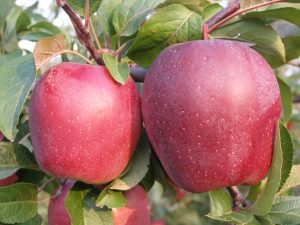
GLOSTER
Gloster apples are perfectly balanced and crisp. Developed by German breeders in 1950 by crossing Glockenapfel and Richared Delicious, they feature dark red or purple skin with small green patches near the stem and juicy, crisp, greenish-yellow flesh. Gloster apples are excellent fresh, in salads, and desserts, and are also ideal for baking as they retain their shape and flavor. Their balance of acidity and sweetness complements many recipes. They thrive in temperate climates with cold winters and warm summers, bloom mid-season, and are harvested in October. Gloster apples store well for up to six months, making them a great choice for those seeking balanced and versatile apples.
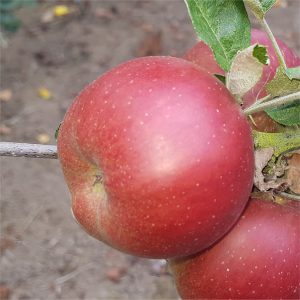
REDCROFT
Redcroft apples are sweet, juicy, and subtly balanced in acidity. Developed by Canadian breeders as a clone of McIntosh to enhance resistance and flavor, they feature dark red to purple skin with lighter hues. Their white, crisp, and very juicy flesh offers a gently sweet and aromatic flavor. Redcroft apples are perfect for fresh consumption, salads, and desserts, maintaining their texture and color. They also hold up well in baking and are suitable for making juice and cider. Cold-resistant and ideal for northern regions, Redcroft apple trees bloom mid-season and are harvested from late September to mid-October. They store well for several months, making them a great choice for long-term storage.
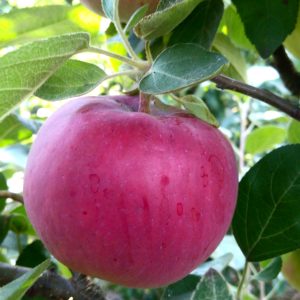
JULY RED
July Red apples are an early-season variety known for their tangy and refreshing flavor. Developed in the U.S. from Early McIntosh and other early varieties, they ripen in mid-summer. They feature bright red skin with yellowish hues and a waxy, glossy appearance. Their white, juicy, and crisp flesh offers a vibrant mix of tartness and sweetness. July Red apples are excellent for fresh eating, salads, and fruit desserts, maintaining their crunch and flavor. They are also suitable for baking and apple sauces, as their tartness complements sweeter ingredients. However, they have a shorter storage life and are not ideal for long-term storage. With moderate cold resistance, July Red trees thrive best in temperate climates, blooming early and producing fruit from mid-July to early August. They are a great choice for those seeking early, refreshing apples for summer consumption and culinary use.
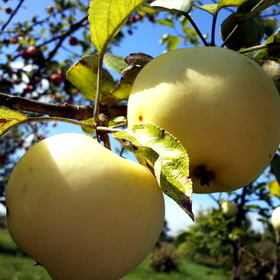
ALYVINIAI
Alyviniai apples are an early-maturing variety known for their sweetness and delicate aroma. Developed in Lithuania, they ripen quickly and feature thin, light green skin that turns pinkish. Their white, juicy, and tender flesh offers a refreshing balance of sweetness and tartness, ideal for hot summer days. Alyviniai apples are perfect for fresh eating, salads, and fruit desserts due to their juicy texture and excellent flavor. Although they can be used in baking, they are best enjoyed fresh. They are less suitable for long-term storage, so consume them promptly. Alyviniai apple trees are cold and disease-resistant, thriving in northern climates. They bloom in early spring and produce fruit from mid-July to early August, making them a great choice for an early harvest. They are an excellent option for those seeking sweet, early apples with a refreshing taste.
SIUGIS RED
Siugis Red apples are sweet and aromatic with a refreshing hint of tartness. Developed in Lithuania, they have vibrant red skin with subtle yellow highlights and a glossy texture. Their creamy white flesh is juicy and crisp, with a balanced flavor of sweetness and tartness. These apples are excellent for fresh eating, salads, and fruit desserts due to their long-lasting freshness. They are also ideal for baking, holding their shape and flavor well, and are suitable for making juices and cider. Siugis Red trees are cold-resistant, thriving in moderate climates. They bloom in early spring and are harvested from late September to mid-October. They store well for several months in a cool, dry place. Siugis Red apples are perfect for those seeking sweet, crisp apples for fresh consumption and various culinary uses.
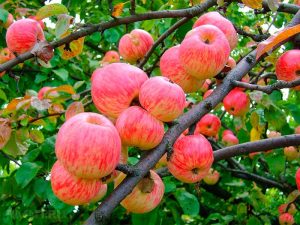
MELBA
Melba apples are sweet, juicy, and aromatic with a hint of tartness. Developed in Canada in 1898 by crossing McIntosh and Liveland Raspberry, they feature smooth red skin with pink stripes and greenish hues. Their white, juicy flesh is crisp, offering a citrus-like balance of sweetness and tartness. Melba apples are ideal for fresh eating, salads, and fruit desserts due to their crisp texture and vibrant flavor. They also hold up well in baking and cooking, making them great for apple pies, sauces, and juices. These trees are moderately cold-resistant and thrive in temperate climates, blooming early and producing fruit from mid-August to early September. Melba apples are best enjoyed fresh or stored in a cool place, as they are not suited for long-term storage.
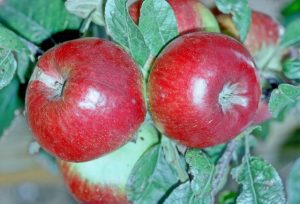
NORIS
Noris apples are juicy and sweet with a subtle aroma and a mild tartness. Developed by Latvian breeders, they are designed to thrive in northern climates. These apples have bright red skin with darker stripes and greenish hues, and creamy white, crisp flesh. Noris apples are perfect for fresh eating, salads, and fruit desserts due to their refreshing flavor and texture. They are also ideal for baking and making apple pies, sauces, and juices, as they retain their crispness and flavor. These trees are cold- and disease-resistant, suitable for colder regions. Noris apples bloom in early spring and are harvested from late August to mid-September. They store well for several months in a cool, dry place, making them a good choice for both short-term and longer-term storage.
BOGATYR
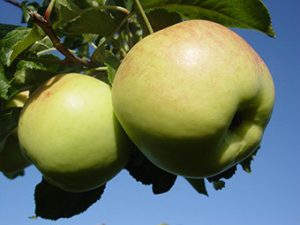
Bogatyr apples are large and juicy, known for their sweet, slightly tart flavor and aromatic quality. Developed in Russia in the early 20th century by crossing Antonovka and Renet de Landsberg, these apples are cold-resistant and have excellent storage capabilities. They feature green or yellowish-green skin with red streaks and blushes as they ripen. The flesh is whitish-green, very juicy, and crisp, offering a balanced sweetness and tartness. Bogatyr apples are perfect for fresh eating, baking, and making juices and cider, as they maintain their shape and flavor well. They thrive in northern climates, blooming in late spring and producing fruit from mid-October to early November. With excellent storage quality, Bogatyr apples can be kept for several months, often until spring.
TELISARIS
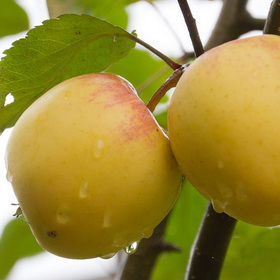
Telisaris apples are known for their sweet flavor and crisp texture. Developed by Lithuanian breeders for cold resistance, they feature yellow-green skin with bright red streaks and spots as they ripen. The white, juicy flesh offers a refreshing balance of sweetness and subtle tartness. Ideal for fresh consumption, Telisaris apples are also great in salads, desserts, and as snacks. They hold their shape well in baking and are suitable for juices and apple sauces. With their resistance to winter cold and diseases, Telisaris apple trees thrive in cold climates, blooming in mid-season and producing fruit from mid-September to early October. They store well for several months, making them a versatile choice for both fresh use and longer storage.